Hiring construction company seo experts without knowing what to look for is one of the most expensive mistakes Bay Area contractors make — not because agencies are dishonest as a rule, but because the gap between a genuine construction SEO specialist and a generalist with a contractor-facing pitch deck is nearly invisible until six months of billing have passed and the rankings have not moved.
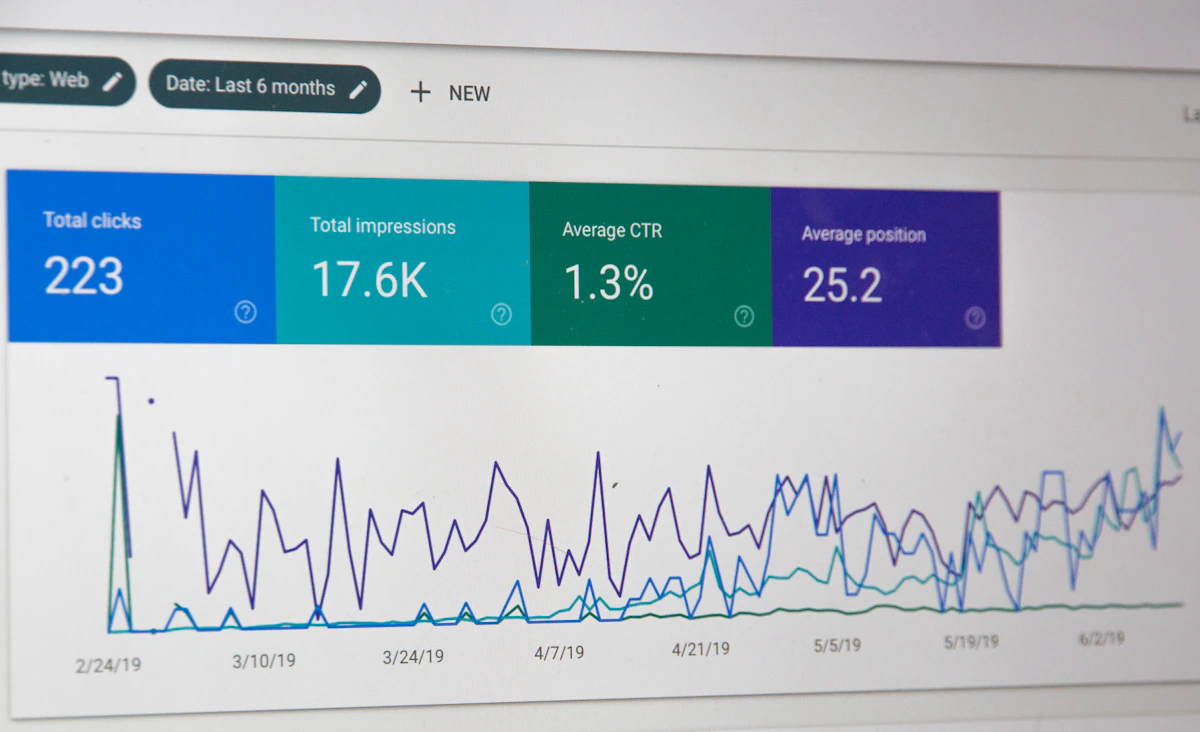
A general contractor in the East Bay signs a six-month contract with an agency that says all the right things in the proposal. At the end of month six they have a new website, three blog posts, and the same ranking positions they started with. The agency emails a report with upward-trending graphs measuring metrics the contractor has never heard of. The contract auto-renews. This scenario is common enough that it has become the primary reason Bay Area contractors dismiss SEO altogether — when the problem was never the discipline, it was the diagnosis of who to hire.
What construction company seo experts should actually know
Genuine expertise shows in specifics. An agency that actually specializes in construction SEO should answer operational questions without hedging: What is the difference between "General Contractor" and "Building Contractor" as a primary Google Business Profile category, and which performs better for residential remodeling searches? What is a realistic timeline to move a new Bay Area location page from unranked to page one on a medium-competition term? What structured data types matter most for a construction company website?
These are not advanced questions. They are basic operational knowledge for anyone doing construction SEO seriously. Vague answers about "customized strategies" and "proprietary processes" without specifics signal that depth of expertise does not exist at the level being sold.
Construction SEO has characteristics that generic SEO consistently misses. Project-based work creates different search intent patterns than ongoing service businesses. A homeowner researching a kitchen remodel has a 30 to 60 day decision cycle that starts with broad research and narrows to specific contractor comparisons before a call happens. The content that captures awareness at the top of that cycle is different from content that converts at the bottom. Knowing how to build for both — and how to measure which pages are doing which job — is not something a generalist figures out while billing for month-one discovery.
The portfolio problem: what real results look like
Case studies are the most important proof point when evaluating construction company seo experts. Not testimonials. Not client lists or logos. Documented, specific ranking movement on named terms for real businesses, with before-and-after positions, timelines, and the specific work that drove the change.
A credible case study includes: the starting ranking position, the target keyword, the timeline, the deliverables produced during that period, and the current ranking. That level of specificity is uncomfortable to produce if the results were not real. An agency that cannot share three current case studies at that detail level either has poor results or none recent enough to reference.
Results should be from the past 12 to 18 months. SEO that worked in 2021 may not reflect current algorithm priorities — Google's local search algorithm has shifted substantially, particularly in how it weights reviews and engagement signals. Results in the Bay Area specifically matter more than results in lower-competition markets. The skills required to rank a contractor in San Francisco or Oakland are genuinely different from those required in a smaller, less competitive metro.
Questions that separate real expertise from a good pitch
Ask specifically how they build backlinks for construction clients. "We do outreach" is not an answer. The answer should name specific types of sources — local business associations, trade publications, supplier partner pages, local press coverage — and describe the actual outreach process. Link building for contractors is one of the highest-leverage and most labor-intensive parts of construction SEO. Agencies that gesture at it vaguely are often not doing it at all.
Ask how they manage the Google Business Profile on an ongoing basis. The answer should include posting cadence, photo strategy, review acquisition support, and citation auditing. If the answer is "we optimize the profile at the start of the engagement," that means a one-time setup with no ongoing management — which is how profiles drift and positions slip quietly over months two through six.
Ask what the monthly report contains. It should include specific keyword ranking data for target terms, organic traffic by individual landing page, Google Business Profile impression trends, and lead attribution. Reports built around vanity metrics that look good without measuring actual ranking movement are designed to retain clients, not produce results.
Red flags before the contract is signed
Long-term lock-in with no performance clause. Twelve-month contracts with a $5,000 early termination fee are structured to protect the agency's revenue, not the contractor's results. Credible SEO packages for contractors from agencies that stand behind their work operate on month-to-month or three to six month minimums with clearly defined deliverables. Pressure to commit long before any results are established is a negotiating tactic, not a quality signal.
Guaranteed ranking positions. No agency can guarantee a specific Google ranking. What can be projected with reasonable accuracy is directional movement on specific terms over specific timeframes — provided a real baseline is established before any work begins. An agency that promises first-page rankings as a sales condition is either misinformed or misleading.
Vague deliverables in the contract. "Content creation" is not a deliverable. "Two 1,200-word service pages targeting specified terms per month" is. If the contract does not enumerate the volume, type, and quality standard for every deliverable, there is no practical basis for holding anyone accountable.
What a fair engagement looks like
A credible engagement starts with a full baseline audit — current rankings by keyword and city, technical site issues, profile completeness, and a gap analysis against the top-ranking competitors in the specific markets the business targets. That audit should happen before pricing is agreed, not as the first deliverable after signing. Pricing without a site assessment is guesswork presented as strategy.
Monthly deliverables should be enumerated in the contract: specific numbers of content pieces, link acquisition targets, profile management activities, and reporting format. Full-service construction SEO in the Bay Area runs $1,500 to $3,500 per month depending on competitive intensity and the number of cities being targeted. Pricing significantly below that range for this market generally reflects reduced scope — less content, less link work, or quality that will not compete at the level required.
A free SEO audit from any credible provider creates an objective starting point before signing with anyone — ranking positions, traffic levels, technical issues — that prevents any agency from manufacturing a "before" picture that makes their results look better than the actual change produced.
Get a free audit and see exactly what’s holding your rankings back.